
A neutral, educational guide to certifications, training, questions to ask, and how to verify credentials before weight loss surgery
Bariatric surgery is a life-changing operation, and outcomes are closely tied to the training, experience, and support system of the surgeon who performs it. This guide is educational — it does not recommend any particular doctor, clinic, or hospital. Its purpose is to help you ask the right questions and evaluate any surgeon on objective, verifiable criteria.
Puerto Vallarta has grown into a well-known destination for medical travelers, and many qualified bariatric surgeons practice in the region alongside a wider international market. Because standards vary from one provider to another, the responsibility to verify credentials ultimately rests with the patient. The good news is that most of the information you need is publicly available and can be confirmed independently.
Below you will find the certifications that matter, the training and experience to look for, a practical list of questions to ask during a consultation, common red flags, and step-by-step guidance on how to verify what a surgeon tells you. For information on the operations themselves, see our overview of weight loss surgery procedures.
Board certification is the single most important credential to confirm. In Mexico, general and bariatric surgeons are certified and re-certified by national medical councils, and many also hold memberships or credentials from international bodies. Each abbreviation means something specific:
The Mexican Board of General Surgery. It certifies that a surgeon has completed accredited training in general surgery and has passed a national examination. Certification is time-limited and must be periodically renewed, so ask for a current, valid certificate rather than one that has expired.
The Mexican College / Association for bariatric and metabolic surgery. Membership indicates a surgeon focuses on obesity and metabolic procedures and participates in the country's specialty community, ongoing education, and professional standards.
The International Federation for the Surgery of Obesity and Metabolic Disorders. It is a global umbrella of national bariatric societies and publishes consensus guidelines. Affiliation signals engagement with international best practices.
The American Board of Surgery. Some surgeons who trained or completed fellowships in the United States hold ABS certification. It is not required to practice in Mexico, but it can be an additional marker of training that follows U.S. standards.
Certification confirms a baseline of qualification, but training focus and real-world experience tell you how prepared a surgeon is for your specific case.
Look for dedicated training in bariatric and metabolic surgery, not only general surgery. A completed fellowship or documented advanced training in obesity surgery is a strong signal.
Surgeons who perform bariatric procedures regularly tend to have more consistent outcomes. Ask how many of the specific procedure you are considering they perform in a typical year.
Experience with a gastric sleeve does not automatically mean equal experience with a bypass or a revision. Match the surgeon's experience to your intended operation.
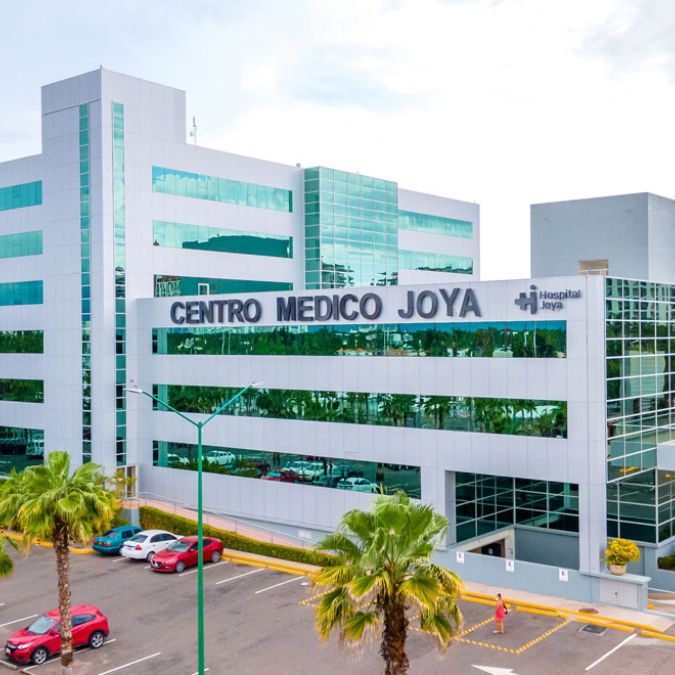
A qualified surgeon should hold active operating privileges at an accredited hospital with an intensive care unit and emergency capabilities, rather than operating only in a stand-alone clinic.
Good bariatric care involves a dietitian, an anesthesiologist, and psychological and medical support before and after surgery. Ask who is on the team and how follow-up is handled.
Ask directly how complications are handled, what the plan is if something goes wrong, and who cares for you after you return home to another country.
A reputable surgeon welcomes questions and answers them clearly. Bring this list to any consultation and take notes on the answers:
Are you board-certified, and can I see your current certificate?
What is your specific training in bariatric and metabolic surgery?
How many of this exact procedure do you perform each year?
What are your complication and reoperation rates?
At which accredited hospital will the surgery take place?
Who provides anesthesia, and what is their qualification?
What does the pre-operative evaluation include?
What follow-up and long-term support do you provide after I return home?
What happens, and who is responsible, if a complication occurs?
Can you explain the risks and benefits of each option for my case?
For a deeper checklist, see our related guide: Questions to Ask Before Weight Loss Surgery.
Certain warning signs suggest a provider may prioritize sales over safety. If you notice these, slow down and seek a second opinion.
Aggressive pushing to "book today," limited-time discounts, or pressure to pay a large deposit before a proper evaluation.
Offering surgery without reviewing your full medical history, running pre-operative tests, or discussing whether you are a candidate.
Vague answers about certification, or unwillingness to provide a verifiable certificate, hospital name, or team details.
Recommending the same procedure to everyone regardless of BMI, health history, or goals.
Presenting surgery as risk-free or guaranteeing a specific weight-loss result. All surgery carries risk, and outcomes vary.
Little or no arrangement for follow-up, nutrition support, or how complications will be managed once you travel home.
You do not have to take any claim at face value. Verification is a reasonable request, and a trustworthy surgeon will support it. Use these steps:
Choosing the right surgeon matters, but long-term success also depends on the habits you build before and after your procedure. A strong care team will connect you with nutrition and lifestyle support rather than treating surgery as a stand-alone event.
Learn more about the pieces that surround the operation: diet and nutrition, exercise and activity, and further educational articles on our blog.
Straightforward answers to the questions people most often ask when choosing a bariatric surgeon.
Board certification. Confirm that the surgeon holds current, valid certification from a recognized body such as the Consejo Mexicano de Cirugía General, and that any additional memberships (AMCE, IFSO) or foreign credentials (ABS) are genuine and verifiable.
Many well-trained, board-certified bariatric surgeons practice in the region, as they do in any medical-travel destination. Standards vary between individual providers, which is exactly why independent verification of any specific surgeon is essential.
There is no universal number, but you want a surgeon who performs bariatric procedures regularly and who has meaningful, specific experience with the exact operation you are considering. Ask about annual case volume and complication rates.
No. Requesting a certificate, a hospital name, and details of the surgical team is a normal, reasonable part of choosing any surgeon. A trustworthy professional will answer these questions openly.
Yes. Comparing consultations from more than one qualified surgeon helps you understand your options, gauge how thoroughly each evaluates your case, and make a more confident decision.
A combination of a qualified surgeon, an accredited hospital, a solid pre-operative evaluation, and a real aftercare plan that includes nutrition and follow-up. Surgery is a tool; sustained results depend on ongoing support and lifestyle change.